The Benefits of Termite Control in Avoiding Expensive Home Repairs
Termites can be a homeowner's worst nightmare, causing extensive damage that leads to costly repairs. Effective termite control is essential to protect your investment and maintain the structural integrity of your home. A professional pest control service can help identify termite activity early, recommend the right treatment plan, and reduce the risk of long-term damage.
Understanding the Threat of Termites
The Biology of Termites
Termites are social insects that thrive in colonies, often consisting of thousands or even millions of individuals. Their primary diet consists of cellulose-based materials, such as wood, paper, and plant fibers, which makes homes a prime target. A termite colony operates with a unique caste system, including workers, soldiers, and reproductive termites. The workers are responsible for feeding the colony and can consume significant quantities of wood unnoticed. Understanding this biology is crucial for identifying effective control techniques that disrupt their lifecycle.
Common Types of Termites in Residential Areas
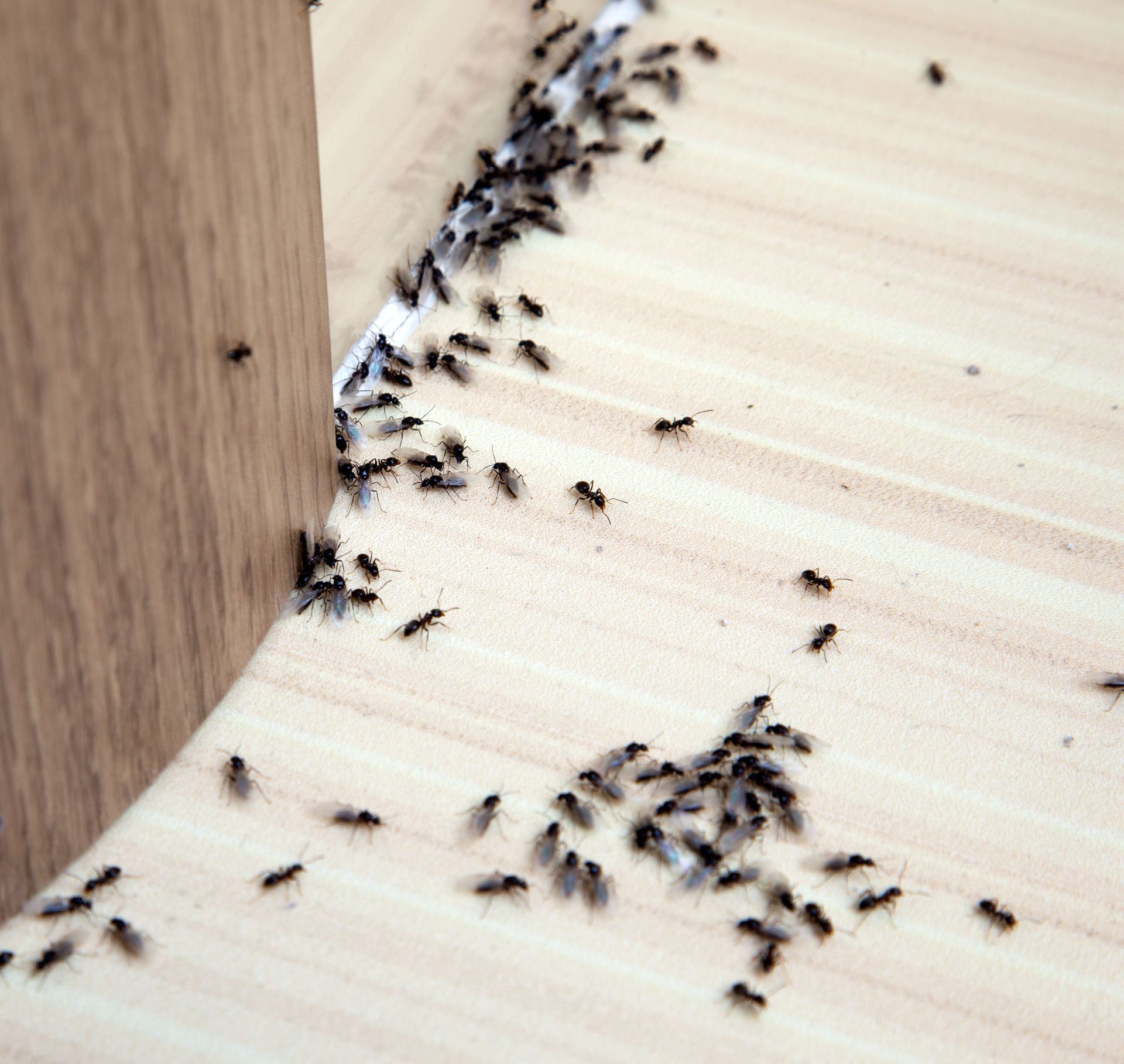
Subterranean termites are the most common type found in residential settings, notorious for their ability to cause severe structural damage. Another type is the drywood termite, which can live in furniture or framing, enabling them to be transported unwittingly into homes. Formosan termites, a particularly aggressive species, have large colonies and greater potential for destruction. Knowing the specific type of termite infesting a structure helps a trained pest control service recommend the appropriate management strategies. According to Pest World, 80% of single-family homes have reported ant infestations. Whether it's termites or ants, it's important to address the issue immediately. Each termite type requires targeted actions to support thorough eradication and prevention.
The Lifecycle and Reproduction of Termites
The termite life cycle consists of three stages: egg, nymph, and adult. Reproductive termites, or alates, swarm in warmer weather to form new colonies, exacerbating infestations. A single termite queen can lay thousands of eggs annually, with the potential to establish a thriving colony in minimal time. Early intervention can subdue the reproductive stage and prevent the escalation of infestation. Consequently, understanding reproduction patterns is integral to the timing and application of control measures.
Signs of Termite Infestation
Detecting a termite infestation early can save homeowners thousands of dollars in repairs. Mud tubes on walls, ceilings, or foundations are a telltale sign of subterranean termites. Hollow-sounding wood and the presence of frass, or termite droppings, suggest internal damage from drywood termites. Bubbling or peeling paint also points to termite-related moisture damage. At the first sign of these indicators, a pest control service can confirm the issue and help limit potential damage.
The Cost-Effectiveness of Professional Termite Control
Comparing Costs: Prevention vs. Repair
Prevention is often more cost-effective than repair when considering termite infestations. Termite control treatments, while an upfront expense, can significantly reduce the chances of incurring large repair bills. The cost to repair termite damage can be exorbitant, often exceeding the expense of preventive measures. A pest control service can help homeowners invest in prevention today and potentially save thousands in future repair costs. This proactive approach underscores the importance of regularly scheduled termite inspections and treatments.
Innovative Treatment Options and Their Affordability
Modern termite control solutions are both advanced and affordable, catering to different homeowner needs and budgets. Options range from liquid barrier treatments to termite bait stations, each targeting specific termite behavior effectively. Innovations in technology have also introduced less invasive methods, such as heating and microwave treatments. With the right pest control service, homeowners can choose practical options that fit the property and budget. Cost-benefit analyses consistently support these solutions as worthwhile protection against potential property damage.
Long-Term Financial Benefits of Preventative Measures
Implementing preventative measures against termites can have longer-term financial benefits for homeowners. Regular inspections and maintenance work to identify and eliminate potential threats before they manifest as costly damages. The consistent application of preventative termite measures enhances a home's durability and can extend its lifespan significantly. These practices help homeowners avoid larger structural complications, potentially saving thousands in repairs. Moreover, maintaining a termite-free property boosts overall home value, benefiting long-term financial planning.
Warranties and Home Insurance Considerations
Many termite control companies offer warranties that include repair clauses, providing an added financial safeguard. These warranties often cover retreatment or specific damage repairs, depending on the service agreement. Home insurance may or may not cover termite damage, emphasizing the importance of proactive pest management. Homeowners should consult with insurance providers to understand their policy coverage regarding termite infestations. Combining warranty benefits with the details of your pest control service agreement optimizes protection against financial losses from termite-related issues.
Case Studies: Savings Achieved Through Early Intervention
A variety of case studies demonstrate substantial savings achieved by homeowners who acted early to control termite threats. In several instances, prompt identification and treatment averted potential damages that could have cost tens of thousands to repair. These examples illustrate the tangible benefits of proactive termite management in real-world scenarios. Homeowners primarily cite financial relief and peace of mind as significant comforts derived from early intervention. These practical outcomes highlight the effectiveness of investing in termite control as a preventative measure.
Improving Home Safety and Structural Integrity
Impact of Termites on Structural Components
Termites primarily target wooden structures, but their destructive habits can affect many structural elements. Joists, framing, and wooden studs are all susceptible to termite damage, compromising the building's structural integrity. The destruction can weaken load-bearing walls and compromise the home's safety over time. Repairing or replacing damaged structural components is not only costly but may require extensive reconstruction work. Preventing such deterioration through termite control maintains the home's foundational strength and security.
The Relationship Between Termites and Mold or Water Damage
Termite infestations can exacerbate or contribute to mold and water damage problems within a home. As termites consume wood, they leave passageways that can allow moisture to seep in, promoting mold growth. This moisture intrusion can lead to significant water damage, complicating the repair work required. Effective termite control prevents these additional damage pathways, protecting a home's interior from challenging repair issues. Addressing termite issues also helps maintain a safer and healthier living environment overall.
Protecting Foundation Stability Through Termite Control
The foundation of a home can suffer under the persistent threat of termites. Subterranean termites, in particular, can undermine foundation stability by consuming underlying support structures. Effective termite control prevents this structural jeopardy, helping foundation components remain intact and functional. Protecting these base elements is vital for the safety and longevity of the entire home. Regular termite assessments are essential in safeguarding these critical areas against termite intrusion.
Preserving Home Features and Aesthetic Value
Termite damage can significantly alter or destroy the aesthetic qualities of a home. Elements such as hardwood flooring, detailed moldings, and wooden fixtures may be directly impacted by termite activity. Upholding termite control measures helps preserve these aesthetic home features, maintaining both beauty and value. Unaddressed termites can diminish curb appeal, affecting the market value and resale potential of the property. Effective termite management supports the preservation of a home's character and its visual appeal over time.
Investing in termite control is crucial for preventing costly home repairs and maintaining the value of your property. By understanding the threats posed by termites and implementing effective control measures, homeowners can secure their homes against damage, contribute to environmental conservation, and enjoy greater peace of mind. A reliable pest control service can support these efforts with inspections, prevention strategies, and treatment plans that protect the property over time. The benefits of termite management are substantial, offering significant economic, structural, and lifestyle advantages that far outweigh the costs. Call Insect Control Specialists Inc today for more.






Share On: